

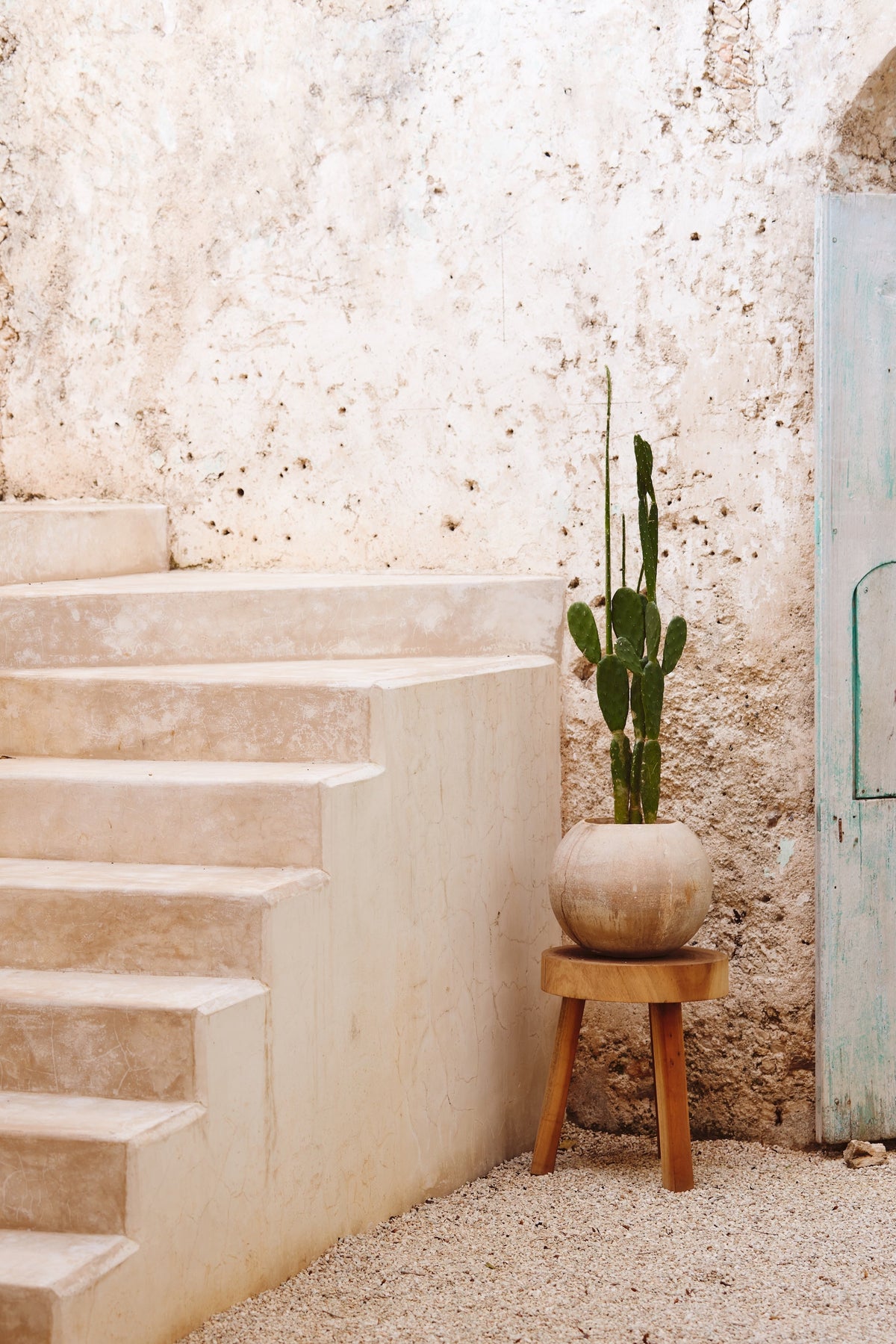
From the car-free sands of Holbox to colonial Merida and the jungle around Valladolid, Mexico's Yucatan Peninsula and Quintana Roo are all cenotes, Mayan ruins and beautiful, one-of-a-kind places to stay. We handpicked our favourite hideaways — perfumery suites, private haciendas and beachfront lodges — and the towns and tables worth building a trip around. Here's where we stayed, ate and explored.
Where to stay
Coqui Coqui Coba · Coba
A fascinating, one-of-a-kind hideaway tucked away in the jungle of the Yucatan Peninsula.
Ser Casasandra · Holbox Island
Sandra Perez transformed her house into a sanctuary offering space to feel, breathe and simply be.
Nomade Holbox · Holbox Island
A bohemian-style retreat nestled in a quiet corner where the Caribbean merges with the Gulf of Mexico.
Hotel Esencia · Between Tulum & Playa del Carmen
A true home in the tropics, midpoint between Tulum and Playa del Carmen, once the hideaway home of an Italian duchess.
Rosas & Xocolate · Merida
A tranquil boutique hotel created from two exquisite colonial mansions.
Destino Mio · Near Merida
A Mayan jungle retreat less than 90 minutes from Merida — a place to relax, connect with nature and enjoy your own private cenote.
Club de Patos · Sisal
A unique beachfront lodge nestled into nature in the quaint fishing town of Sisal, an hour's drive from Merida.
Casona los Cedros · Espita
An absolutely charming boutique hotel in a small, authentic village, home to the gourmet restaurant and bar Casona.
Coqui Coqui · Izamal
An upscale, adults-only suite featuring a plunge pool and terrace.
Coqui Coqui Valladolid · Valladolid
A one-bedroom residence and retreat above a perfumery in a colonial town — minimal, opulent furnishings, a large verandah and your own private plunge pool.
Where to eat & drink
Ser Esencia · Holbox Island
Dining that embodies the richness of Mexican tradition.
La Popular, Nomade Temple · Holbox Island
Eat with your toes in the sand — local produce and the simplicity of good ingredients.
Casa T'ho · Merida
Housed in a 19th-century colonial mansion, a place to relax over a delicious lunch or dinner.
Rosas y Xocolate · Merida
Dine on a lively terrace, an indoor/outdoor courtyard or the fine-dining lounge.
Museo de la Gastronomia Yucateca · Merida
A hip restaurant serving local classics.
Club de Patos · Sisal
Fresh local cuisine with Mexican and Italian flavours.
Casona · Espita
A welcoming, authentic and unfussy spot serving all-organic produce prepared by chef Jorge Ildefonso.
Le Kaat Cafe · Valladolid
A great vegan and vegetarian restaurant with indoor or outdoor seating, serving breakfast through dinner.
Kinich · Izamal
A chic restaurant just off the main square, one of the town's favourites, specialising in traditional Yucatan cuisine.
What to see & do
Holbox Island
A car-free island between the Caribbean Sea and the Gulf of Mexico, reached by a short ferry across the Yalahau Lagoon. Pristine clear waters, white sand and the best sunsets.
Valladolid
A colonial town whose picturesque Calle de los Frailes is lined with small boutiques, cafes, restaurants and boutique hotels.
Coqui Coqui Perfumery · Valladolid
Housed in a 16th-century building, this hidden jewel also offers a one-bedroom suite stay.
Mangrove tours · Sisal
Take a guided boat tour through the calm mangrove swamps to see local birdlife and the pink flamingos native to Mexico.
Chichen Itza
One of the most visited archaeological sites in Mexico and one of the new seven wonders of the world, around 30 minutes' drive from Valladolid.
Convento de San Antonio · Izamal
Built over five centuries ago atop the ruins of a Mayan temple, it dominates Izamal's square, with a large atrium now used to stage concerts and shows.
Know before you go
Getting there: Fly into Cancun (CUN), the region's main international gateway, or Merida (MID) for the colonial heart of Yucatan state. Both connect onward to the towns, ruins and coast.
Getting around: For getting around, we highly recommend hiring a driver, given Mexico's safety considerations — these are easily organised through your accommodation. For Holbox, we hired a driver from Cancun to the Chiquila ferry (about 2.5 hours), then the short ferry ride across the lagoon takes about 15 minutes. There's also the option to fly a small plane to the island from Cancun, which takes around 30 minutes.
Best time to visit: The dry season, November to April, has the best weather — warm, sunny and less humid. May to October is hotter and wetter, with hurricane season peaking August to October.
Where to base yourself: Split your time: Holbox for the beach, Merida for colonial elegance and dining, and Valladolid as a quieter base for Chichen Itza and the cenotes.
Good to know: Spanish is the language, with English common in tourist areas but less so in small villages. Carry pesos for cenotes, ferries and markets, and pack biodegradable sunscreen — regular sunscreen is often banned at cenotes to protect the water.
Frequently asked questions
Where should I stay in the Yucatan?
It depends on the mood: Holbox for barefoot island days (Ser Casasandra, Nomade Holbox), Merida for colonial elegance (Rosas & Xocolate), or the jungle around Valladolid and Coba for one-of-a-kind hideaways like Coqui Coqui and Destino Mio, with its own private cenote.
What's the difference between Yucatan and Quintana Roo?
They're neighbouring states on Mexico's Yucatan Peninsula. Quintana Roo is the Caribbean-coast side — Tulum, Playa del Carmen and the islands — while Yucatan state is inland, home to colonial Merida, Valladolid, Chichen Itza and quieter towns like Sisal and Espita.
How do you get to Holbox?
Holbox is car-free, reached by a short ferry across the Yalahau Lagoon from the town of Chiquila, around a two-hour drive from Cancun. Leave the car on the mainland — the island gets around on foot, by bike and by golf cart.
Is Chichen Itza worth visiting?
Yes — it's one of Mexico's most visited archaeological sites and one of the new seven wonders of the world. It sits about 30 minutes from Valladolid, which makes the colonial town a lovely, quieter base for visiting early before the crowds arrive.
When is the best time to visit the Yucatan?
The dry season from November to April brings the best weather — warm, sunny days and lower humidity — and is ideal for beaches, cenotes and ruins. May to October is hotter and wetter, with the Atlantic hurricane season peaking between August and October.
What is a cenote?
A cenote is a natural freshwater sinkhole, formed as limestone collapses to reveal the groundwater beneath — the Yucatan is famous for them. Many are open for swimming, and some stays, like Destino Mio, have their own private cenote on the grounds.